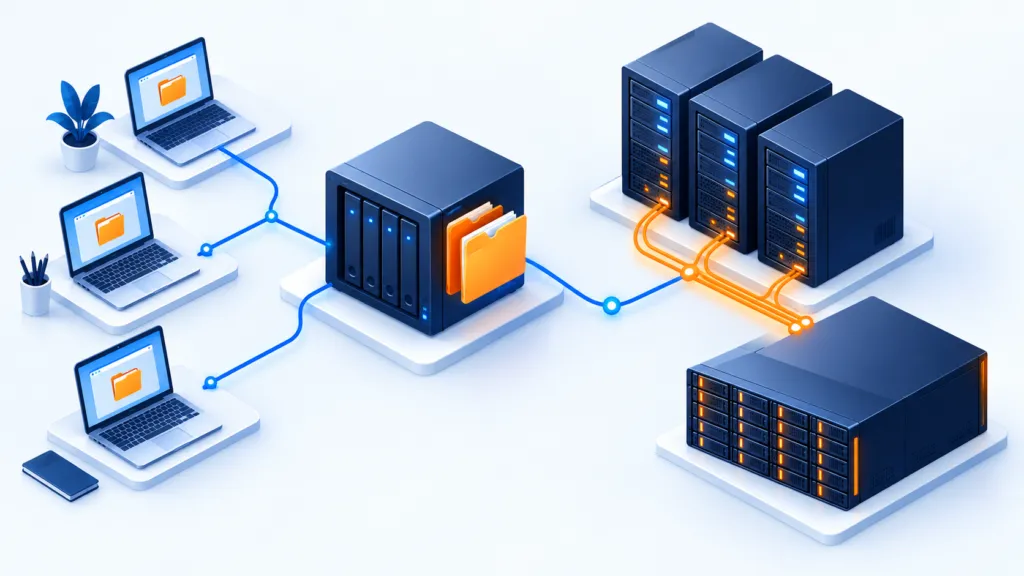
A security plan designed for yesterday’s environment may not fit today’s. Remote work, a new application or a change of provider can open access paths that have not been checked. Regular reviews help identify gaps before an incident.
Business changes alter risk
- New people and systems
- Changed permissions and dependencies
- Test the protections in practice
When is an additional review needed?
Schedule a review after significant changes to infrastructure, third-party connections or the team. Review after failures, recovery exercises or significant alerts too. There is no need to wait for an annual review when an important system changes.
Compare documentation with reality
List active assets, who uses them and how they are accessed. Look for old accounts, unmanaged computers and permissions granted temporarily. Check that backup covers systems added after the original plan.
Assess both protection and recovery
Do alerts reach someone who handles them? Can you recover when the primary account is unavailable? Check how protective controls, identity management, backup and incident planning work together. An installed product is not proof of a working process.
Rank gaps by impact
For each gap, record what could happen, which systems are affected and the required action. Distinguish a quick change from a longer project. Approval to defer work should identify the approver and a review date.
Finish with an action list
- A defined task and an owner.
- A due date and a way to verify closure.
- Updated procedures and training where needed.
- A follow-up check after the change.
This article adapts principles from an older source; it is not a report on threat levels in its year of publication.