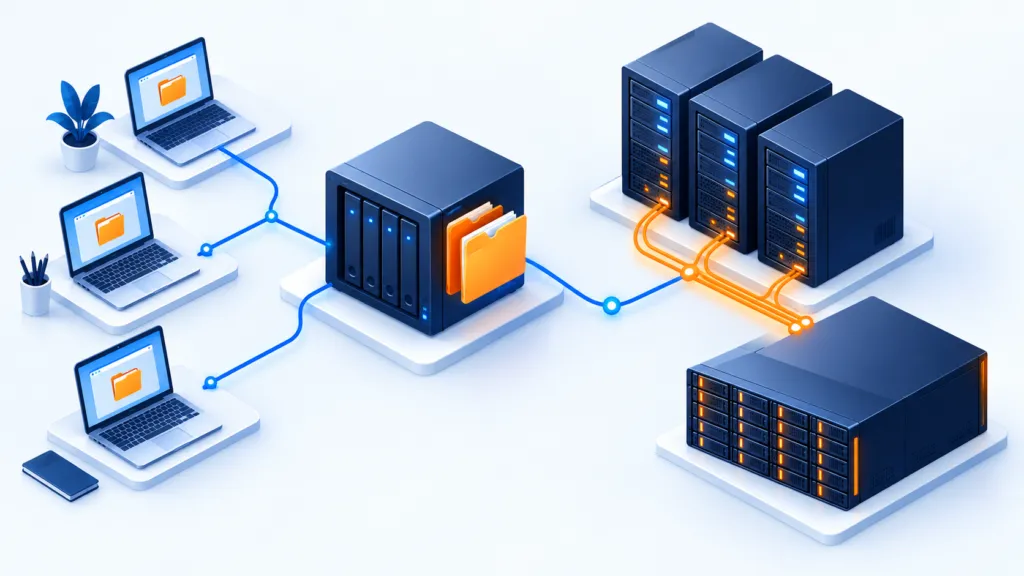
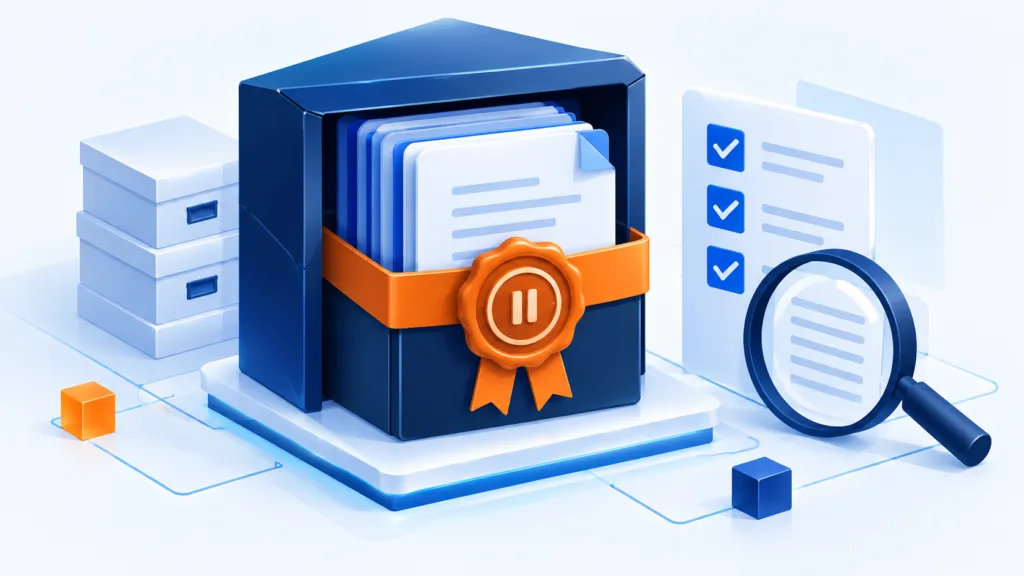
When information must be preserved for legal proceedings, IT needs to know exactly what to retain and who is authorized to decide. Routine backup continues under its retention and deletion schedules; dedicated preservation must also follow the legal instruction.
From instruction to preservation
- A defined scope
- Controlled deletion
- Access and documentation
Obtain a clear definition of scope
The authorized legal representative defines the relevant people, systems, information types and period. IT translates this into data sources and technical actions. Document limitations too: information already deleted, inaccessible systems or excluded sources.
Check what could be deleted
Map version retention rules, automatic deletion, former employees’ accounts and cleanup processes. Adjust settings according to the instruction and each system’s capabilities, and verify that preservation actually covers the selected data. A one-time copy does not necessarily preserve later changes.
Limit access and document actions
Define who may view, export or transfer the information. Keep records of sources, times, collection methods and transfers between parties. Where integrity checks are needed, plan them as part of the process rather than only after copying files.
Verify and close in a controlled way
- Check that defined sources were included and the information is accessible.
- Update the scope when a relevant source is added.
- Release a hold only after an authorized, documented instruction.
- Check which deletion rules will resume after release.
Retention periods and evidentiary requirements depend on the case and applicable law. This article focuses on the technical process and does not establish legal requirements.